TPO Roofing in Fort Worth for Commercial Flat Roofs
A TPO roof has to do more than look good from the ground. Seams, flashing, drainage, penetrations, insulation, and installation details all affect how the system performs.
- Commercial TPO and flat roofing
- Owner-led Fort Worth roofing company established in 2006
- Core crews working with us since 2014
- On-site foreman and final roof inspection
- $1 million in liability coverage
What Is a TPO Roofing System?
TPO stands for thermoplastic polyolefin. It is a single-ply roofing membrane used on many commercial flat and low-slope roofs. A TPO roofing system creates a continuous surface across the building, with heat-welded seams connecting membrane sections and details formed around penetrations, edges, and rooftop equipment.
The membrane is only one part of the roof system. The substrate, insulation, drainage, flashing, attachment method, seams, and workmanship all influence performance. That is why a TPO roof should be evaluated as a complete assembly rather than judged by membrane appearance alone.
Why Commercial Properties Use TPO Roofing
TPO is a common roofing material for commercial buildings because it combines a flexible single-ply membrane with welded seams and a generally light-colored surface. Depending on the product and assembly, a white TPO surface can reflect more sunlight than a dark roof. That may support energy-efficiency goals and help reduce heat absorbed at roof level, but actual cooling costs depend on insulation, HVAC performance, building use, and other conditions.
TPO roofing can also provide resistance to UV exposure and ordinary rooftop conditions when the material is properly selected and installed. It is not puncture-proof or maintenance-free. Traffic, dropped tools, storm debris, sharp objects, and work around rooftop equipment can damage the membrane.
TPO Roof Repair Starts With the Source
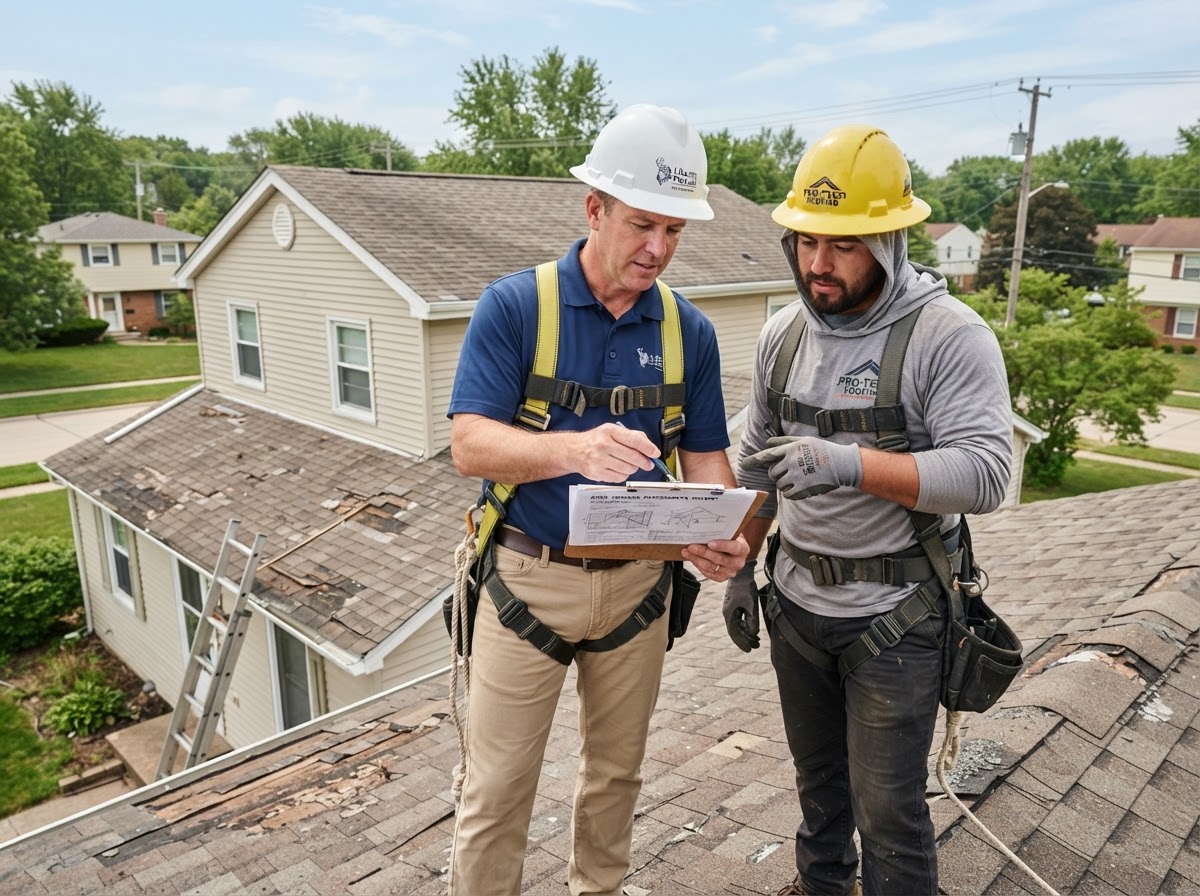
A leak inside a commercial building does not always sit directly below the opening in the roof. Water can travel along the membrane, insulation, deck, or building components before becoming visible. Effective TPO roof repair begins by inspecting the system and tracing the likely path.
Common visible concerns include open or stressed seams, punctures, cuts, deteriorated flashing, damage around curbs or penetrations, loose edges, and ponding water. We inspect the accessible roof, document the visible condition, and explain whether a focused repair, further investigation, or broader replacement should be considered.
When Does a TPO Roof Need Replacement?
Some TPO roof problems are localized and repairable. Replacement may make more sense when the membrane is failing across large areas, moisture has spread beneath the surface, repeated repairs no longer hold, or the existing roof system cannot provide dependable service.
Roof replacement is a property-specific decision. The age of the roof matters, but age alone does not settle it. The condition of the membrane, seams, insulation, substrate, flashing, penetrations, drainage, and previous repair work should all be considered. We will explain what we can see, what may require additional investigation, and why a recommended scope makes sense.
What TPO Roof Installation Involves
The details of a TPO roof installation depend on the commercial building and the approved roof design. The existing roof, deck, insulation needs, drainage, roof access, and attachment requirements influence the work.
A TPO membrane may be mechanically attached or fully adhered when the selected system and building conditions call for that method. Membrane sheets are positioned across the roof, seams are heat-welded, and detail work is completed around drains, curbs, vents, HVAC equipment, walls, and edges. Proper installation requires attention to the field membrane and every transition where water could enter.
Your proposal should describe the roofing work for your property. If removal exposes an unexpected condition, it should be discussed before additional work proceeds.
Flat Roof Drainage Deserves Attention
Flat roofs are built with enough slope to move water toward drains, scuppers, or other outlets, but debris, settling, blocked drainage, and roof conditions can still leave areas of ponding water. Standing water can add stress and make small membrane or flashing problems harder to ignore.
A roof inspection should include visible drainage conditions, not only the area around an active leak. Keeping drainage paths clear and addressing recurring ponding can help reduce avoidable strain on a commercial flat roof.
TPO Roofing With On-Site Accountability
A commercial TPO project involves materials, equipment, access, scheduling, and details that can affect the building below. Property owners deserve to know who is supervising the work and who will answer questions when conditions change.
Advanced Roofing is led by Ken Cable, who established the company in 2006. Our core crews have worked with us since 2014. An on-site foreman helps coordinate each roofing project, and we perform a final roof inspection before closeout. Advanced Roofing carries $1 million in liability coverage.
Learn more about our company, explore our complete commercial roofing services, or read our customer reviews.
Our TPO Roofing Process
- 1
Schedule an inspection.
Tell us about leaks, storm history, repairs, and operational concerns.
- 2
Inspect the visible system.
We review the membrane, seams, flashing, penetrations, edges, and drainage conditions.
- 3
Discuss repair or replacement.
We explain the condition and the reasoning behind the recommended next step.
- 4
Define the scope.
The proposal identifies the approved TPO roofing work for the property.
- 5
Coordinate installation or repair.
An on-site foreman helps manage the job and communication.
- 6
Review the completed roof.
We complete a final inspection and address remaining questions.
How Long Does a TPO Roof Last?
The lifespan of TPO roofing varies. Product type, membrane thickness, roof design, installation quality, UV exposure, drainage, foot traffic, storms, maintenance, and damage all matter. No contractor should promise a universal lifespan without considering the system and property.
Regular inspections can identify punctures, seam concerns, drainage problems, and flashing issues before they become larger repairs. Schedule a commercial roof inspection after severe weather or when you notice interior moisture or a change in roof condition.
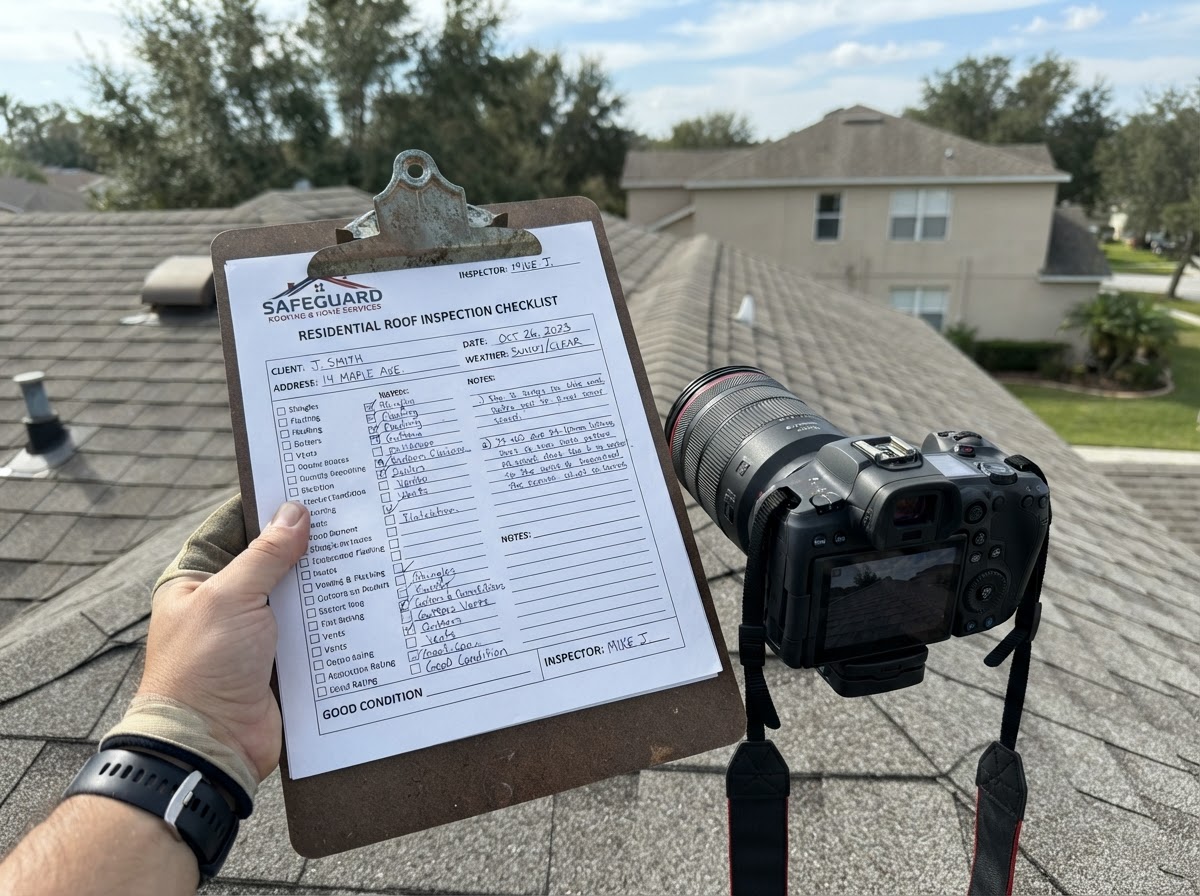

Storm Damage to TPO and Flat Roofs
Hail, wind, debris, and rooftop traffic after a storm can damage a TPO membrane or its details. We can inspect and document visible damage, explain the roofing work that may be needed, and coordinate approved repairs or replacement.
Your insurance carrier determines coverage and claim approval. Advanced Roofing does not guarantee an insurance outcome. See our pages on storm damage roofing and roof insurance claim guidance for practical next steps.
TPO Roofing Service Areas Near Fort Worth
Advanced Roofing serves commercial properties in Fort Worth and communities across Tarrant, Johnson, and Hood counties, including Granbury, Burleson, Mansfield, Arlington, Benbrook, Crowley, Cleburne, and Joshua. View our service areas or call to confirm availability for your building.
TPO Roofing FAQs
Get a Straight Answer About Your TPO Roof
Whether you are dealing with a leak, puncture, open seam, drainage concern, storm damage, or an aging membrane, start by finding out what the roof actually needs.
Call 817-602-7070 or request your free TPO roof inspection.
Need Straight Answers About Your Roof?
Talk with Advanced Roofing or schedule a free roof inspection.