In a hail-prone area like North Texas, impact-resistant shingles come up in almost every roof replacement conversation. The terms Class 3 and Class 4 describe how a shingle performed under a defined laboratory impact test, and they can be a useful factor in choosing a new roof. But impact-resistant does not mean hail-proof, and the rating is only one part of a complete roofing system.
What the impact ratings mean
Impact-resistant shingles are evaluated using a standardized test that drops a steel ball onto a shingle from increasing heights. A shingle that resists cracking at a higher drop earns a higher classification. Class 4 is the higher rating; Class 3 also indicates tested impact resistance above standard shingles that do not carry either rating.
The test is controlled and repeatable, which makes it useful for comparing products. It is not a perfect model of a real hailstorm, where stone size, density, angle, and wind all vary. A Class 4 rating tells you the shingle performed well in the test, not that it cannot be damaged by hail.
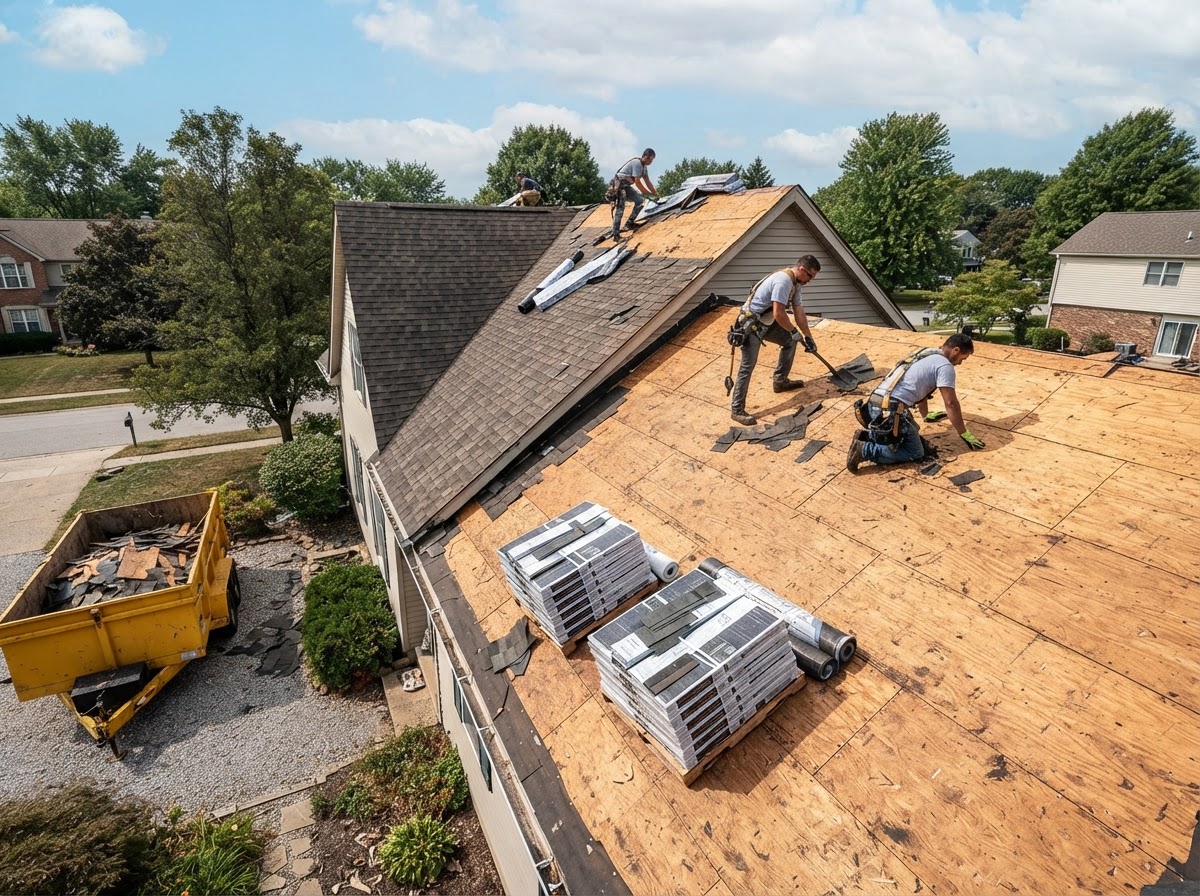
Class 3 vs. Class 4: the practical difference
Both ratings describe tested impact resistance. Class 4 represents the higher classification under the test, so it is often the choice homeowners consider when hail is a primary concern. Class 3 still indicates a step up from standard, non-rated shingles and may fit a different budget or property.
The right choice depends on the home, the budget, the neighborhood, and the homeowner's priorities. A higher rating is not automatically the best fit for every roof, and no rating eliminates the risk of storm damage.
Impact-resistant is not hail-proof
This is the most important point. A severe storm can still damage shingles, flashing, vents, gutters, and other roof components regardless of the rating. Impact-resistant shingles may better resist bruising and fracture in many storms, but they are not a guarantee against every hail event.
Keep expectations realistic
An impact rating is one factor in a durable roof, not a promise that the roof will never need repair. Installation quality, flashing, ventilation, and the condition of the complete system still matter.
Do impact shingles lower insurance premiums?
Some insurance carriers offer considerations for qualifying impact-resistant products, but programs, requirements, and discounts vary. A roofing contractor cannot promise a premium change. Ask your insurance carrier whether a specific product and rating affect your coverage or premium before relying on a discount.
The shingle is only part of the system
A high-performing shingle cannot correct poor installation or an unresolved roof-system problem. Underlayment, decking condition, flashing, ventilation, penetrations, edges, fasteners, drainage, and workmanship all affect how the roof performs. When roof replacement is appropriate, the material decision should be part of a complete scope, not an isolated choice.
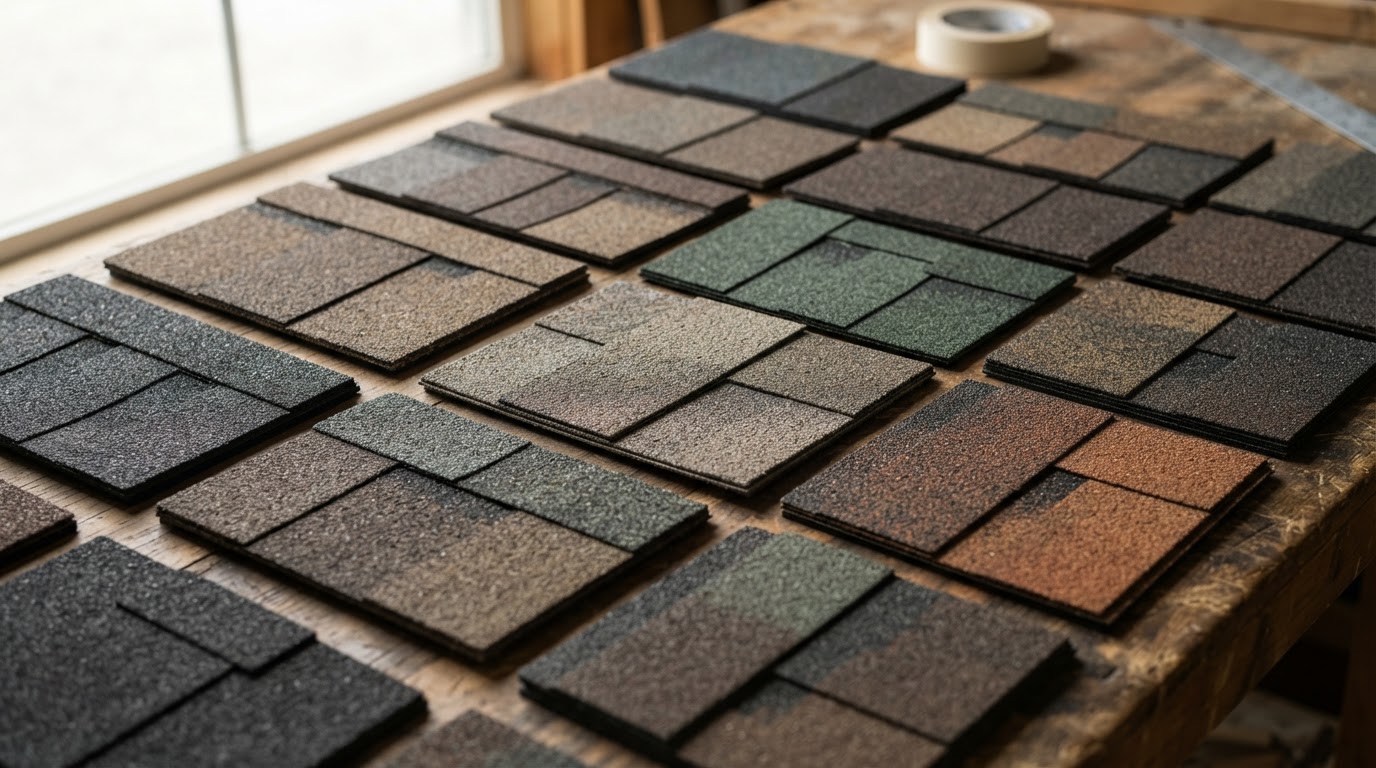
Advanced Roofing installs TAMKO and Malarkey composition shingles, including Class 3 and Class 4 impact-resistant options. We help homeowners compare the products appropriate for the home based on appearance, performance, and cost. See our roofing materials guide for more detail.
How to compare shingles
- What is the exact manufacturer and product line, not just the brand?
- Does the shingle carry a Class 3 or Class 4 impact rating?
- What underlayment and flashing work are included in the scope?
- How will ventilation and roof penetrations be handled?
- What product documentation applies to the chosen material?
- What workmanship warranty does the contractor provide?
- Who supervises installation and performs the final inspection?
Start with the condition of the property, then compare materials, impact ratings, appearance, system details, workmanship, and cost in a way that supports the decision you actually need to make. Call 817-602-7070 or request a free roof inspection to compare your options with the facts in front of you.